


The global landscape of enterprise workplace architecture is currently experiencing a profound structural transition as world-class organizations move away from standard commercial office furnishings to integrate specialized, high-tier physiological recovery assets into their primary corporate environments. For forward-thinking commercial real estate developers, multinational enterprise groups, and elite institutional funds, the procurement of high-performance kinetic recovery seating has evolved from a simple employee perk into a high-stakes capital allocation strategy designed to preserve human capital and elevate tenant asset value.
As traditional office layouts collapse under the pressure of intense digital workflows and long sitting periods, advanced physical infrastructures that support real-time musculoskeletal recovery and dynamic spinal alignment are seeing massive institutional investments. Constructing a premium operational floor is not merely a matter of purchasing basic task chairs and scattering random furniture across an open room; it is an incredibly complex mechanical engineering endeavor that sits at the intersection of dynamic kinetic physics, biomechanical ergonomics, advanced material sciences, and enterprise-grade workplace wellbeing topology.
When a premier institution commits to deploying an elite tactical seating installation, it is investing in a high-status corporate asset explicitly engineered to improve workforce endurance, reduce physical fatigue, and minimize costly occupational health liabilities across international business divisions. To secure maximum longevity and operational flexibility, these professional workspaces must be built from the ground up using specialized ergonomic assets that allow for fluid human movement as high-intensity spatial computing and next-generation data operations continue to expand.
By approaching workspace design through the rigorous lens of cognitive ergonomics and technological balance, global firms can effectively safeguard their physical capital while creating an inspiring, low-friction environment that honors human sensory limits and prevents physical exhaustion. This comprehensive operational blueprint delivers a meticulous analysis of the foundational financial planning parameters, essential structural load considerations, and spatial engineering protocols required to construct a dominant institutional digital workspace.
The Evolution of Modern Enterprise Kinetic Seating
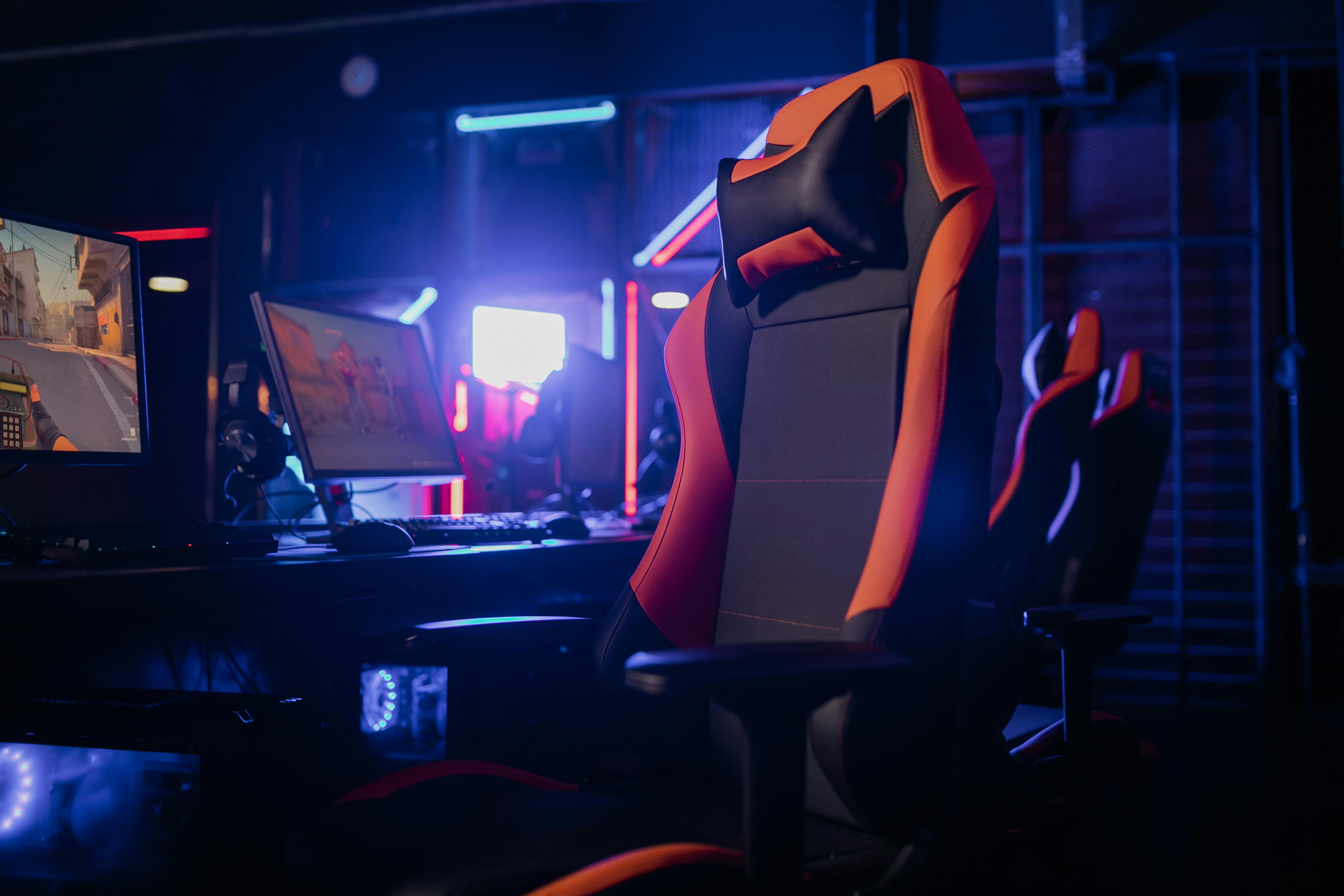
Traditional commercial office chairs are increasingly failing to meet the complex physical expectations of a highly connected, modern leadership collective.
The corporate transition toward highly specialized, bio-forward spatial design reflects a broader market demand for high-status physical assets that support intensive collaborative workflows. Integrating professional-grade kinetic recovery chairs into premium corporate campuses allows institutions to command significant market attention and protect internal human capital investments.
The Critical Physics of Musculoskeletal Load Distribution
Biomechanical engineering within an institutional workspace represents one of the most significant structural challenges for modern enterprise furniture procurement managers. Prolonged executive sessions and intensive data analysis generate immense physical stress on the human lumbar region that must be completely managed to protect workforce health.
A. Utilizing dense, multi-layered memory foam matrix assemblies featuring responsive polymer backing to prevent localized pressure point accumulation across the pelvic floor.
B. Installing micro-perforated elastomeric mesh surfaces that actively capture and dissipate body heat before it alters skin comfort metrics.
C. Designing specialized multi-axis dynamic internal linkages at every primary joint to eliminate structural resistance during physical human movement.
D. Deploying strategic physical lumbo-sacral support nodes wrapped in premium breathable textiles directly behind the primary lower back interaction zones.
E. Embedding vibration-isolation hardware components beneath heavy base plates to decouple building mechanical system hums from the human skeleton.
F. Implementing comprehensive physical tension adjustment arrays to naturally match the counter-balance resistance with individual employee body weights.
Spatial Topography for Elite Ergonomic Execution
The layout of a premium physical workspace must be meticulously planned to eliminate physical and visual friction for participating executives.
Seating alignment pathways must be directed cleanly toward interactive workstation surfaces while maintaining strict operational spacing between separate personnel desks. Every tactical task chair installation requires a minimum radius of unencumbered physical space to support fluid mechanical rotations without disrupting nearby team operations.
Optimizing Air Volume and Thermal Diffusion Fabrics
High-performance physical support materials can trap body heat and alter localized moisture levels if the foundational textile systems are left completely unmanaged. Standard commercial office chair fabrics are completely inadequate for handling the unique thermal friction generated during extended high-intensity executive operations.
A. Sourcing dedicated, breathable textile faces that allow for continuous air molecule passage without reducing the core tensile strength of the seat.
B. Engineering low-velocity perimeter air channel gaps to smoothly push warm air away from the primary seat cushions.
C. Installing automated material friction tracking testing methods to continuously monitor real-time wear fluctuations within deep core foam elements.
D. Deploying premium fire-retardant material layers that eliminate dust accumulation while meeting strict municipal commercial safety building codes.
E. Structuring dedicated mechanical articulation pathways directly behind main backrest components to immediately allow for heat dissipation away from the body.
F. Maintaining precise atmospheric tolerances within the textile weaves to eliminate the threat of premature material breakdown from high friction levels.
Redundant Mechanical Linkages and Structural Balance
An enterprise-grade physical seating layout cannot tolerate even a single millimeter of component sag or mechanical degradation over extended operational lifecycles.
The internal chassis architecture must incorporate independent, isolated cast aluminum cylinder housings to protect heavy gas springs from losing pressure during climate shifts. High-capacity weight distribution base stars are integrated directly into premium hardware wheels to ensure seamless structural safety under maximum movement configurations.
The Functional Architecture of High-Status Kinetic Bases
The true commercial value of a premium seating installation is realized through its capacity to facilitate flawless, natural human motion during long workflows. The physical base layout must allocate substantial, secure floor footprints for a mix of multi-directional casters and balanced core structural counterweights.
These specialized physical component environments require absolute dimensional consistency to prevent unexpected chair tipping from disrupting sensitive executive focus pools. Investing in top-tier, precision-engineered mechanical seating architecture ensures the corporate workspace effortlessly satisfies the strict logistical criteria of global safety standard certifications.
Elevating the Corporate Guest and Client Experience
A mature institutional digital workspace must balance its focus on hardware performance with high-end, premium material hospitality for visiting partners.
Bespoke metallic accent finishes featuring luxury brushed titanium coatings should be positioned directly within primary sightlines to deliver a dramatic, high-status aesthetic. These private operational spaces incorporate integrated non-reflective structural frames, discrete armrest positioning systems, and premium natural textures to facilitate high-stakes venture capital transactions.
Materials Sourcing and Sustainable Structural Lifecycle Management
Selecting the structural finishes for a high-traffic technological office environment requires an unyielding commitment to material endurance and environmental sustainability.
Chair base components must possess high abrasion-resistance ratings and exceptional structural tensile strength to withstand constant daily physical movement and cleaning protocols.
A. Specifying sustainably sourced structural composite polymers treated with low-volatile organic compound coatings to protect internal air purity.
B. Utilizing modular component replacement frameworks to allow for rapid localized armrest swapping without discarding the underlying mechanical chassis core.
C. Sourcing premium polymer-blend matrices for primary seat surfaces that naturally resist odor retention and fluid staining over long periods.
D. Integrating recycled structural aluminum components into the main base frame to minimize the embedded carbon footprint of the corporate asset.
E. Deploying advanced impact-resistant perimeter edge guards rated for extreme lifecycles to drastically reduce recurring institutional maintenance labor costs.
F. Implementing a comprehensive material reclamation strategy for all internal mechanical springs used within the chair frame construction.
Advanced Structural Safety and Ergonomic Certification Compliance
Because these premium media spaces host high-value personnel and sensitive electronics, mechanical workspace furnishings must be fully integrated with safety arrays.
Biometric seating position memory frames can be integrated smoothly into user interaction panels to control and save personal structural alignment preferences. Dedicated physical clearance boundaries within the open workspace fields must maintain continuous operational room for automated height adjustments and emergency exits.
Designing for Long-Term Modular Adaptation
The velocity of technical workspace innovation ensures that the physical requirements of today will inevitably shift as spatial computing interfaces mature.
Architects must build structural flexibility into the physical facility by installing extensive, easily adjustable modular workstation configurations along the office perimeters. This proactive material approach allows the corporate asset to adapt to completely new physical layout needs without requiring destructive office reconstructions.
Quantifying the Economic Return on Physical Asset Quality
A. Tracking the direct appreciation of commercial property lease values following the official integration of high-tier ergonomic assets.
B. Measuring the accelerated velocity of corporate media production achieved after upgrading physical seating environments for corporate communications teams.
C. Evaluating the severe drop in expensive employee fatigue levels realized through the deployment of dedicated sensory-neutral workspace environments.
D. Analyzing the positive impact of advanced musculoskeletal isolation on the baseline productivity metrics of adjacent executive work suites.
E. Assessing the growth in high-value private venue booking requests received from global enterprise technology organizations.
F. Calculating the lifetime valuation lift of the overall real estate asset following official architectural ergonomics certification.
Conclusion

Institutional resilience begins with the protection of the individual mind from digital fragmentation. The governance of attention is not a luxury but a strategic necessity for the modern enterprise. Success in a hyper-connected world requires the discipline to create space for silence and deep thought.
Organizations must transition from managing time to managing the cognitive energy of their people. This paradigm shift ensures that the brain trust of a firm remains its most potent engine for growth. Investing in cognitive sustainability is the ultimate hedge against the volatility of the digital age. A focused workforce is an unstoppable force in the pursuit of long-term market leadership.
The future belongs to the institutions that treat attention as their most sacred and valuable resource. Sustainable growth is only possible when we architect environments that allow for peak human intelligence. True leadership is defined by the ability to direct attention toward what truly matters for the collective future. The journey toward cognitive governance is a continuous process of refinement and adaptation.
By reclaiming our focus, we reclaim our ability to build a more resilient and innovative world. The most successful companies of the next decade will be those that master the art of the focused mind. Attention is the gateway to all other forms of institutional value. To govern attention is to govern the very future of the human enterprise.

