

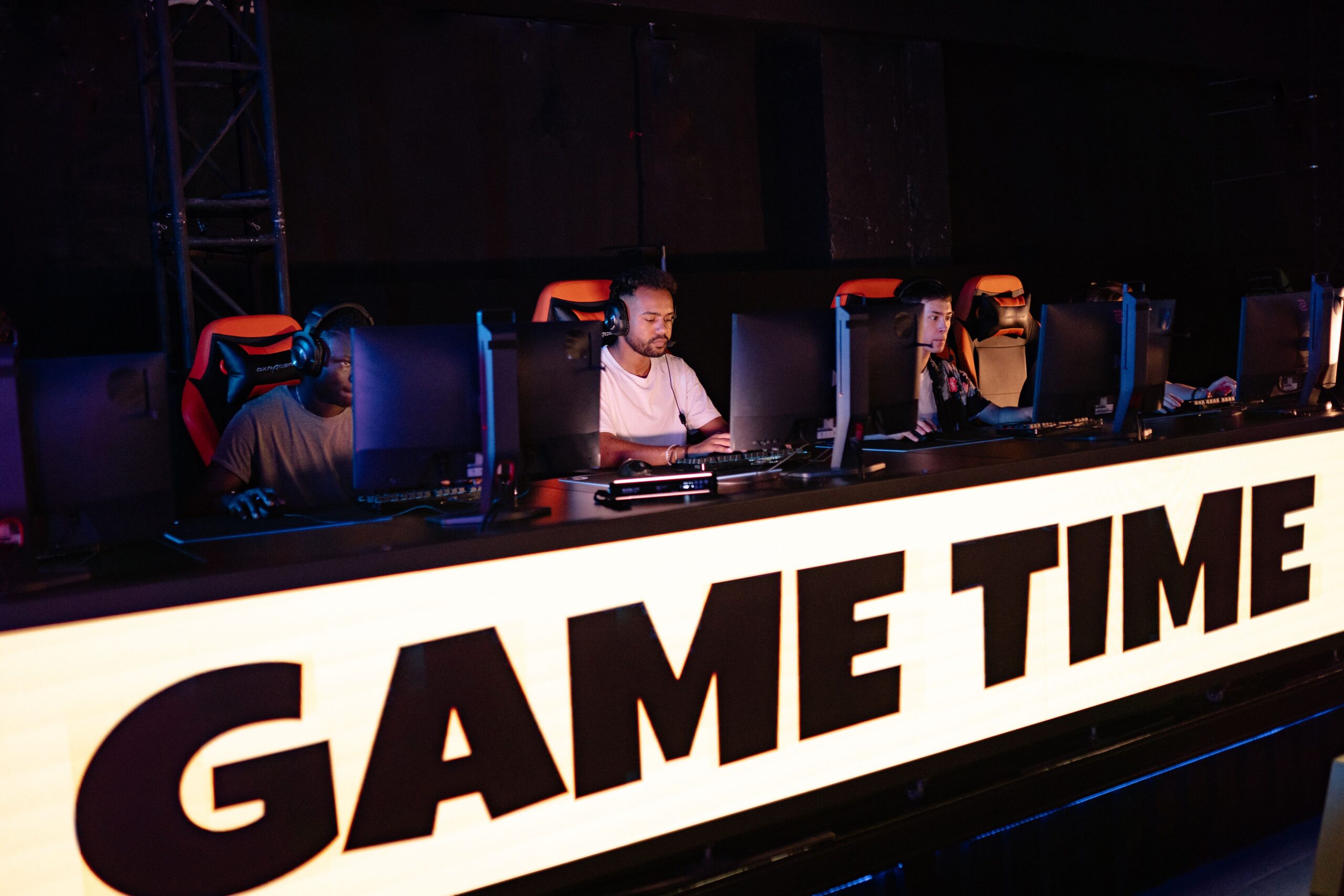
The global esports landscape has rapidly evolved from a niche subculture into a multi-billion-dollar entertainment industry, demanding a complete overhaul of modern entertainment architecture to accommodate elite professional competitions.
Building a high-tier esports stadium is no longer just about arranging rows of seating and setting up basic consumer-grade gaming rigs on a standard stage. Today, global sports enterprises and municipal investment funds are pouring unprecedented capital into specialized, institutional-grade arenas designed from the ground up to meet the intense technological and sensory demands of professional gaming leagues.
These state-of-the-art facilities require deep integration of advanced networking systems, structural acoustic barriers, ultra-low-latency power distribution, and bespoke broadcast architecture that can seamlessly handle millions of concurrent global viewers.
Furthermore, the physical comfort and mental durability of elite players are now prioritized through sophisticated environmental design, integrating advanced climate control and biophilic elements to prevent cognitive fatigue during marathon championship series.
For institutional real estate developers and premium commercial investors, entering this market segment represents a highly lucrative transaction that unlocks massive revenue streams through premium corporate boxes, high-end hospitality integrations, and long-term naming rights deals. Navigating the immense financial reality of these projects requires a granular understanding of specialized capital expenditure, operational lifecycle costs, and the cutting-edge technical infrastructure needed to attract elite tier-one tournament organizers.
This comprehensive operational blueprint provides an exhaustive analysis of the foundational financial pillars, architectural engineering requirements, and critical technology deployments necessary to construct a world-class professional gaming arena.
The Architecture of High-Fidelity Sensory Environments
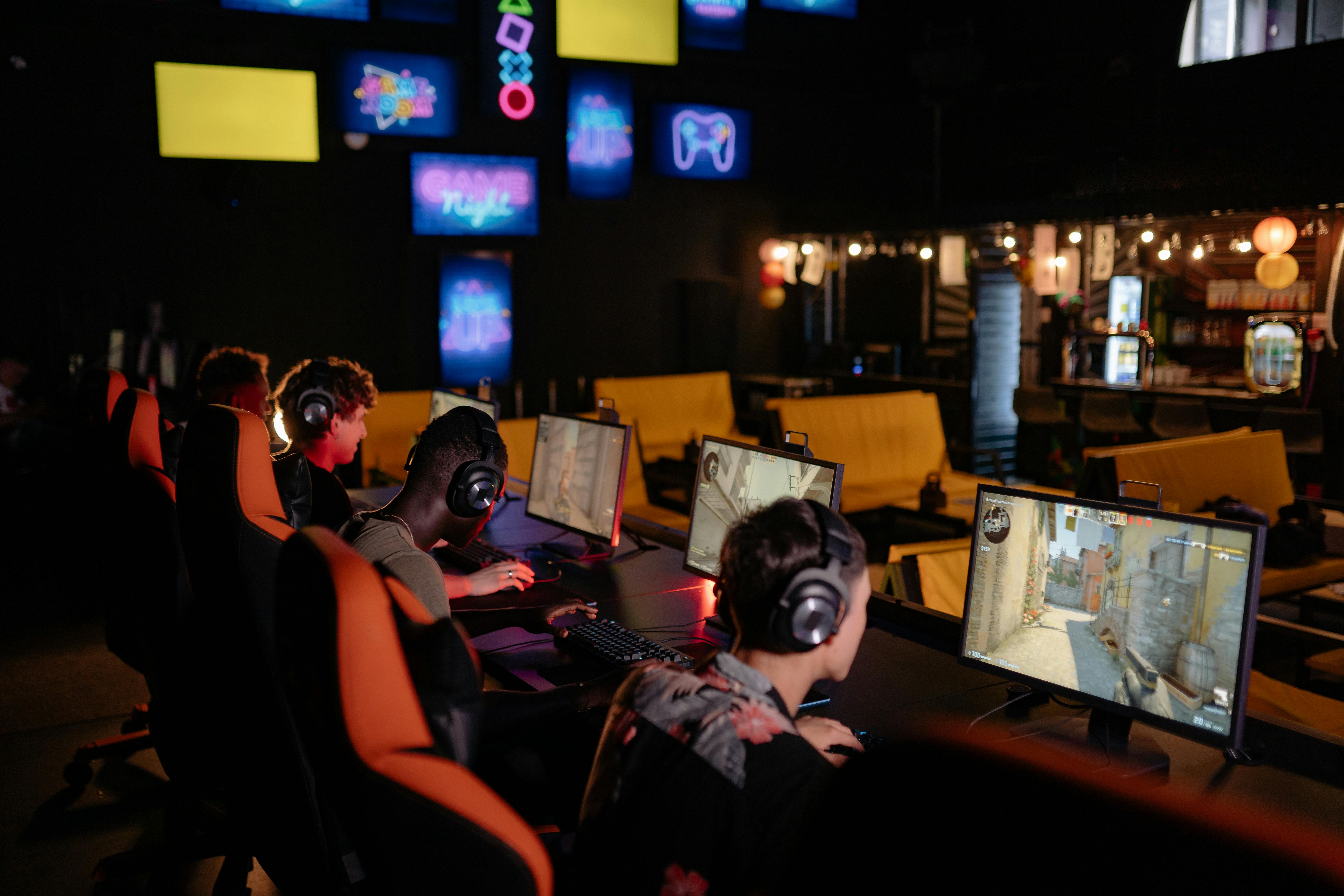
Constructing a professional esports venue demands a radical departure from traditional athletic stadium design frameworks.
The spatial planning must focus entirely on lines of sight directed toward massive, high-definition LED canvas structures rather than a physical playing field.
Acoustic engineering within these structures is incredibly complex, requiring extensive deployment of sound-absorbent composite materials to balance explosive crowd noise with clear player communication.
A poorly designed acoustic environment can lead to severe audio bleeding, compromising the competitive integrity of a live tournament match.
Capital Allocation for Ultra-Low-Latency Networking
A. Investing in dedicated dark fiber backbones to guarantee symmetrical gigabit speeds and absolute structural redundancy during global live broadcasts.
B. Deploying custom corporate enterprise routing hardware capable of processing millions of data packets per second without a single point of failure.
C. Installing localized, military-grade network switches directly on the main stage to achieve sub-millisecond ping times for competing athletes.
D. Creating isolated network segments for players, production teams, media partners, and the general audience to prevent external security breaches.
E. Embedding high-density wireless access points across the seating bowl to handle simultaneous mobile data tracking by tens of thousands of live fans.
F. Securing long-term service level agreements with multiple tier-one internet service providers to insulate the venue from localized infrastructure outages.
Structural Engineering for Modular Main Stages
The central competitive stage of a premium gaming facility must be engineered for rapid modular transformations between different game genres.
Different competitive titles require vastly different team configurations, spatial spacing, and hardware placements that the physical stage must accommodate smoothly.
Heavy structural loading capacity is required to support massive overhead video cubes, complex kinetic lighting rigs, and automated player pod systems.
This structural flexibility allows the facility to maximize its utilization rate by hosting diverse entertainment events outside of core competitive schedules.
Advanced Power Distribution and Redundancy Frameworks
Uninterrupted power supply systems are the absolute lifeblood of a modern digital entertainment complex.
A single micro-second power fluctuation can crash sensitive gaming hardware, completely disrupting an active international championship broadcast.
High-capacity industrial battery banks are integrated with automated diesel generation systems to provide seamless power switching under full operational load.
Environmental Micro-Climate Control Solutions
A. Sourcing hyper-quiet variable air volume cooling systems that eliminate background mechanical noise from sensitive broadcast microphones.
B. Engineering localized micro-climate zones on the main stage to keep professional player hands warm while cooling dense hardware racks.
C. Implementing hospital-grade particulate air filtration to maintain pristine air quality and reduce dust accumulation on sensitive optical lenses.
D. Utilizing advanced humidity control systems to eliminate the threat of electrostatic discharge within the primary data center.
E. Integrating smart thermal tracking sensors across the arena bowl to dynamically adjust cooling based on live crowd density shifts.
F. Building dedicated cryogenic or high-speed chilled water loops specifically designed to manage heat dissipation from core production servers.
The Financial Blueprint of Elite Broadcast Production Suites
The modern esports audience is primarily digital and global, making the on-site broadcast facility the true engine of commercial value.
Premium venues house production rooms that rival major television networks, complete with dedicated slow-motion replay bays and real-time augmented reality engines.
These spaces require extensive structural shielding to protect delicate signal processing hardware from electromagnetic interference generated by heavy arena lighting.
Investing in top-tier broadcast infrastructure ensures the facility can easily meet the strict technical delivery standards of global streaming giants.
Luxury Hospitality and Corporate Entertainment Integration
Modern tournament venues are moving away from traditional concession stands in favor of high-end culinary lounges and premium corporate suites.
These exclusive spaces cater to high-net-worth fans, corporate sponsors, and venture capital partners who demand premium hospitality during multi-day events.
Bespoke menus, private viewing balconies, and integrated high-speed charging hubs are standard features within these premium hospitality zones.
Sourcing and Lifecycle Management of Display Technology
The visual experience within the arena is entirely driven by expansive, custom-engineered LED installations that cover thousands of square feet.
These displays must possess high refresh rates and specialized pixel pitches to ensure perfect clarity for both live fans and high-definition broadcast cameras.
A. Establishing rotating capital replacement funds to swap out aging display panels before individual pixel degradation becomes visible to the public.
B. Partnering with top-tier premium hardware manufacturers to secure long-term component warranties and rapid on-site technical support.
C. Implementing automated diagnostic software that monitors individual panel voltage and thermal signatures in real time during live operations.
D. Securing custom structural rigging solutions that allow for rapid maintenance access without dismantling large sections of the display wall.
E. Investing in energy-efficient diode technology to lower the immense operational utility costs associated with running massive display canvases.
F. Developing proprietary software calibration profiles to ensure absolute color accuracy across disparate display surfaces within the venue.
Security Infrastructure and Cyber Defense Protocols
As high-profile digital assets, professional gaming arenas are prime targets for malicious network actors and coordinated cyber attacks.
The physical facility must be paired with an equally robust digital fortress to protect event schedules and sensitive corporate transactional data.
Advanced firewall arrays, real-time intrusion detection systems, and dedicated cybersecurity staff are mandatory components of the operational budget.
Futureproofing the Physical Entertainment Asset
The velocity of technological change requires that the physical concrete structure be built with maximum internal flexibility.
Extensive underground and overhead conduit networks allow for the seamless pulling of new cabling standards without breaking through finished walls.
This forward-thinking approach ensures the arena remains relevant and operational as spatial computing and next-generation broadcast standards emerge.
Quantifying the Long-Term Returns on Infrastructure Wealth
A. Tracking the direct increase in venue booking fees after achieving official tournament-grade technical certifications.
B. Measuring the growth in premium corporate box retention rates following upgrades to private digital connectivity features.
C. Evaluating the reduction in operational insurance premiums achieved by deploying redundant industrial power architectures.
D. Analyzing the financial impact of variable utility systems on the overall monthly maintenance expenditure of the facility.
E. Assessing the appreciation of naming rights value as the arena establishes a global reputation for broadcast excellence.
F. Calculating the lifetime value of multi-year venue partnerships secured with elite global tournament organizers.
Conclusion
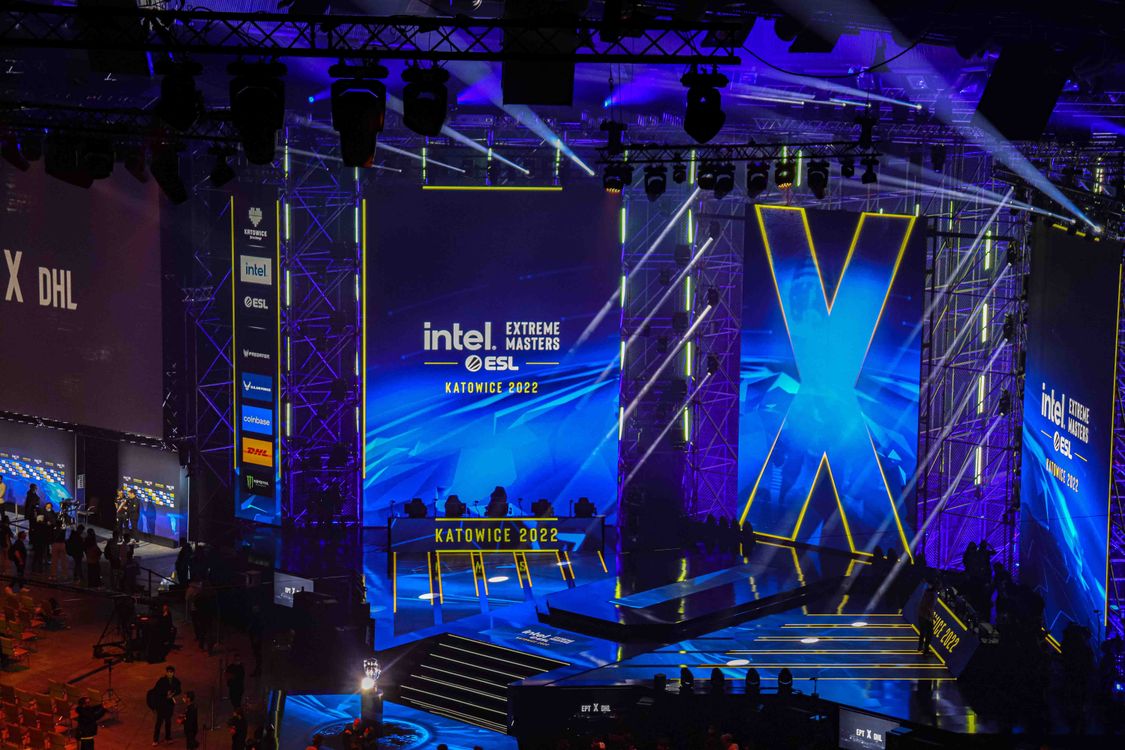
Constructing a premium professional gaming arena requires a monumental convergence of architecture and advanced digital infrastructure. The financial viability of these facilities depends on their ability to consistently deliver flawless, low-latency performance on a global scale. Investors must view these projects through the lens of long-term technology assets rather than simple commercial real estate.
The systematic protection of competitive integrity through rigorous engineering is what attracts premium corporate advertisers and sponsors. As the global digital entertainment economy expands, specialized venues will continue to command the highest market premiums.
Traditional sports facilities are increasingly unable to meet the hyper-specific technical demands of modern digital competitions. The early establishment of technological dominance in this sector secures a formidable moat against future regional competitors.
Every dollar invested in structural redundancy and network speed translates directly into long-term asset value protection. The future of live entertainment belongs to the institutions that can seamlessly bridge the physical and digital human experience. Building for this future requires absolute precision, immense capital clarity, and an unyielding commitment to operational excellence.

