

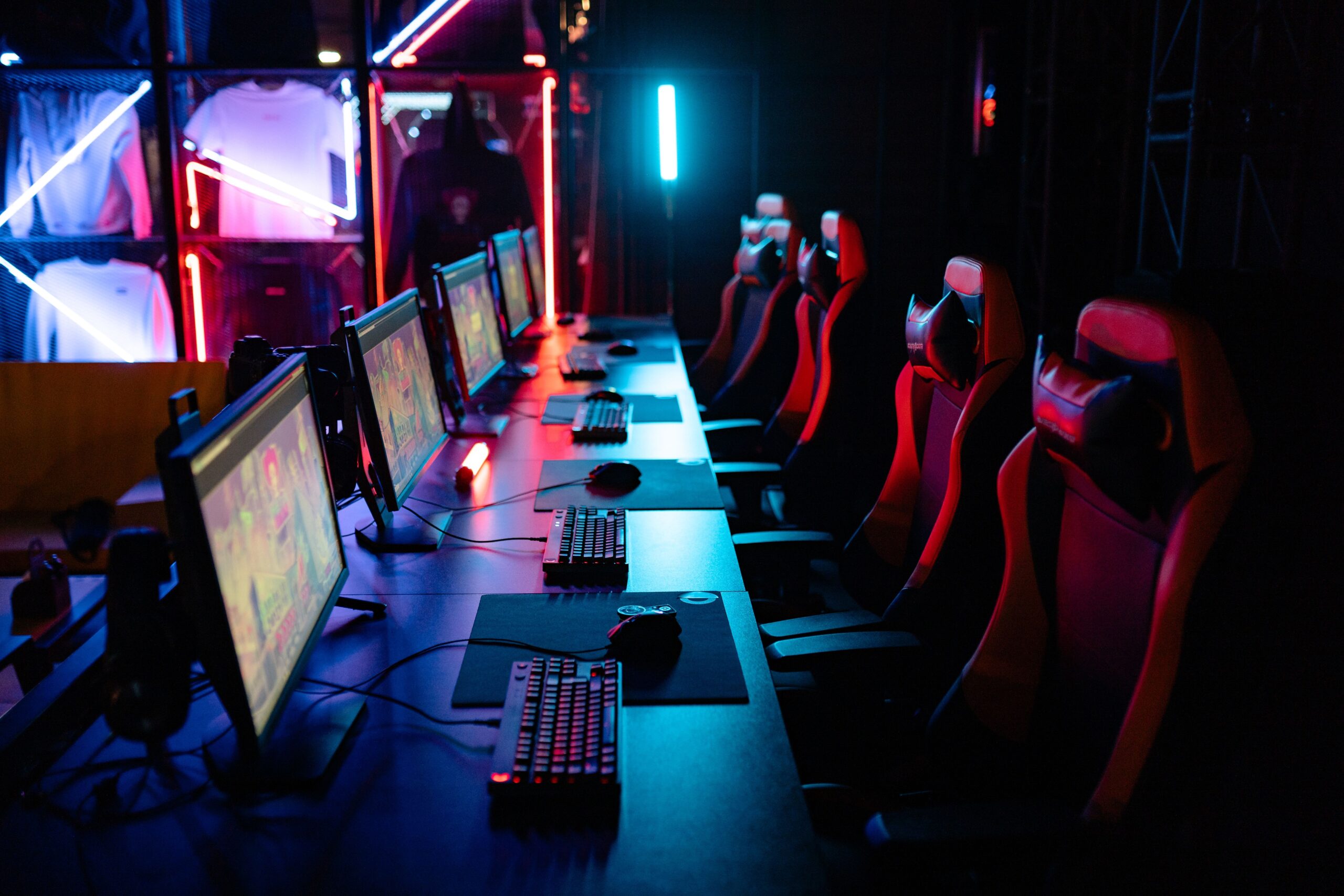
The global corporate communication ecosystem is currently undergoing a massive structural shift as multinational enterprises replace temporary virtual meeting tools with permanent, institutional-grade media capture infrastructure. High-tier organizations realize that executive presence, shareholder transparency, and international brand equity are deeply tied to the physical and sensory quality of their global digital transmissions.
Constructing a world-class internal media suite is no longer treated as an experimental IT project; it represents a major capital expenditure requiring rigorous technical planning, specialized hardware procurement, and long-term architectural alignment.
As top-tier enterprises compete for premium market attention, the deployment of uncompressed data pipelines, cinematic optical sensors, and advanced acoustic treatment networks has become standard practice for securing elite communication streams. This extensive engineering transition is fueled by a growing demand for cognitive ergonomics and digital wellbeing within the high-stakes corporate landscape.
When executives are forced to interact through low-fidelity audio and compressed, flickering video feeds, the resulting cognitive friction accelerates mental fatigue and erodes critical decision-making precision during long international sessions. To protect the mental endurance of their leadership teams, forward-thinking institutions are deploying broadcast-grade hardware configurations that mimic the biological realities of natural human perception.
By investing in dedicated optical systems, isolated low-latency processing hardware, and balanced audio capture grids, enterprises create a high-status digital environment that minimizes subconscious processing stress. This strategic focus on technological purity serves as a formidable asset protection strategy, enabling global firms to execute complex venture negotiations and product rollouts with complete operational clarity.
This exhaustive analysis delivers a meticulous overview of the primary procurement priorities, essential physical hardware parameters, and strategic integration protocols required to establish a leading institutional media infrastructure.
The Architecture of High-Status Optical Capture Systems
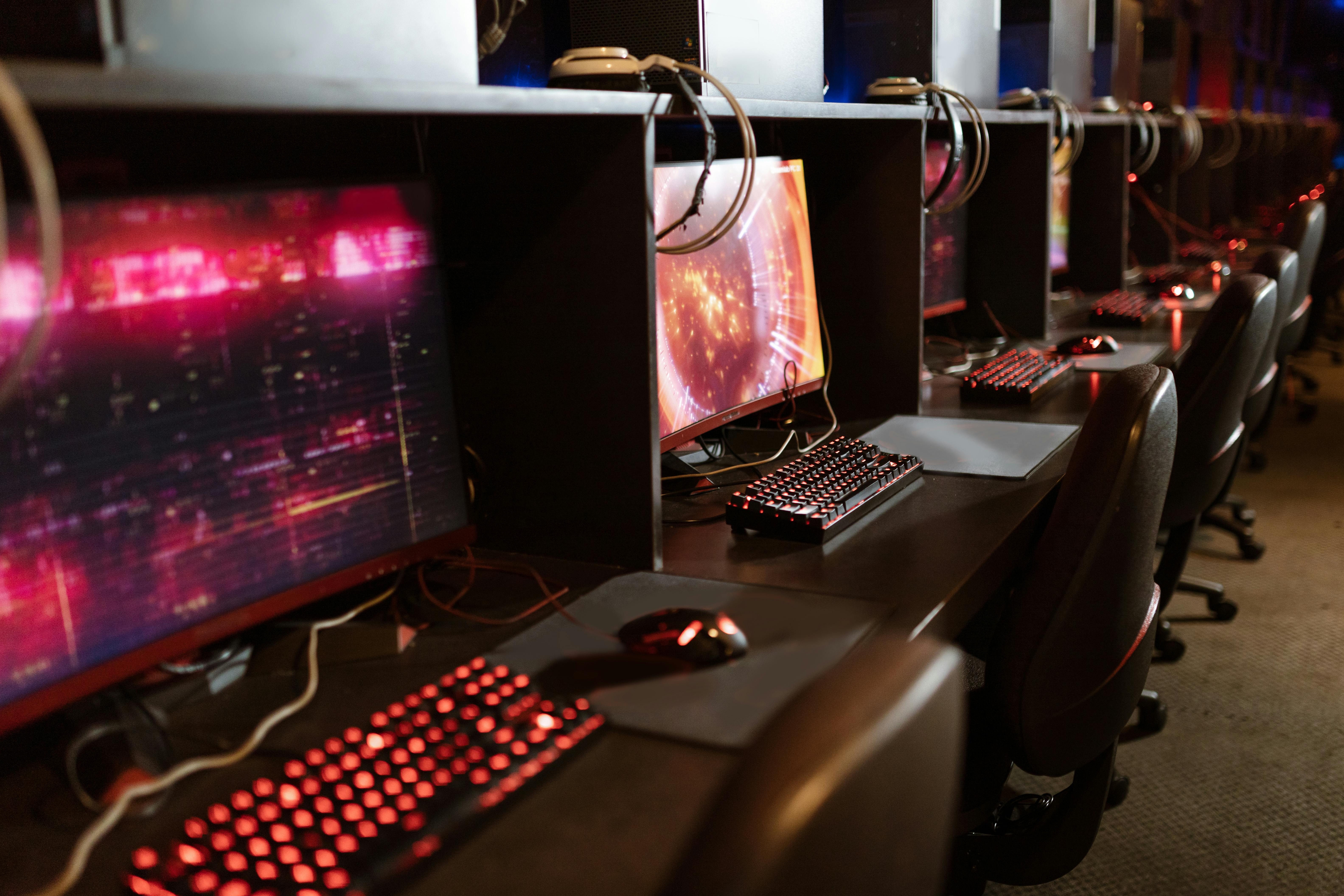
Traditional enterprise webcams are rapidly becoming obsolete as global corporations establish professional media capture environments on their primary campuses. The integration of large-format cinematic sensors into corporate boardrooms allows institutions to capture high-status imagery with deep color depth and exceptional low-light performance.
These advanced optical systems utilize interchangeable prime lenses with wide apertures to create a natural, shallow depth of field that separates the executive cleanly from the background environment. This optical separation reduces visual clutter, allowing international viewers to maintain absolute focus on the strategic speaker without experiencing subconscious eye strain.
Essential Specifications for Enterprise Processing Grids
A. Implementing hardware-based video capture cards featuring dedicated PCIe interfaces to handle uncompressed baseband data streams without dropping frames.
B. Deploying standalone hardware encoders that utilize advanced h.264 or AV1 algorithms to compress video lines safely without introducing encoding latency.
C. Utilizing external hardware matrix switchers to control multiple camera inputs smoothly during live corporate panels and global shareholder presentations.
D. Investing in dedicated hardware up-scalers that transform legacy video sources into sharp, high-definition digital assets in real time.
E. Sourcing synchronized master clock hardware to ensure absolute audio-video alignment across dozens of separate capture channels simultaneously.
F. Securing modular hardware expansion chassis to allow for rapid component upgrades as next-generation data transmission protocols emerge.
Elevating Communication Clarity via Balanced Audio Chains
Acoustic excellence within an institutional studio space represents one of the most critical factors for long-term workforce sustainability. Low-quality corporate audio containing background echo and mechanical system hums acts as a primary trigger for cognitive fatigue during international meetings.
To mitigate this, premium facilities deploy professional balanced audio architectures featuring low-impedance microphones and independent preamplifier units. These systems utilize specialized shielding layers to block electromagnetic interference from nearby computer displays and building power grids.
Advanced Lighting Architecture for Extended Virtual Presence
Professional lighting design within an executive media environment is fundamentally different from traditional commercial office illumination frameworks. Standard fluorescent fixtures emit harsh, flickering light that strains the human retina and compromises the color accuracy of digital optical sensors.
Enterprise-grade media rooms deploy high-color-rendering LED panels that deliver soft, diffuse light across the exact color spectrum of natural daylight. This specialized illumination layout eliminates harsh facial shadows, creating an inviting, low-fatigue virtual environment for global participants.
Redundant Power Delivery and Hardware Preservation
A. Integrating high-capacity online uninterruptible power supplies to filter electrical line noise and prevent hardware damage during power spikes.
B. Designing dual-redundant power distribution units within heavy hardware racks to guarantee continuous uptime during live international events.
C. Utilizing automated power sequencing hardware to turn sensitive production components on and off in the exact scientific order required.
D. Installing dedicated thermal monitoring systems that track individual component temperatures inside sealed machine rooms in real time.
E. Deploying localized low-velocity cooling fans inside deep equipment bays to prevent premature component failure from thermal buildup.
F. Establishing isolated electrical ground bars specifically dedicated to the media capture chain to eliminate audible ground loops.
The Role of Physical Hardware in Cognitive Ergonomics
Cognitive ergonomics focuses on aligning the technical workplace environment with the natural sensory limitations and requirements of the human brain. When a media room is built using broadcast-grade hardware, the extreme clarity of the feed allows participants to read micro-expressions effortlessly.
This fluid information exchange mimics face-to-face human interaction, reducing the intense mental focus required to parse low-quality digital data. Investing in physical hardware purity is therefore a direct investment in the daily productivity and long-term mental clarity of the firm.
Optimizing the Media Control Room Footprint
The physical layout of an enterprise production space must separate the noisy processing hardware from the serene talent capture zone. Centralized machine rooms house the dense server arrays, capture blocks, and distribution routers within a heavily air-conditioned, acoustically isolated environment.
This architectural separation ensures that mechanical cooling fan noise never penetrates the sensitive microphones used on the main presentation stage. The resulting quiet environment allows executives to speak at a natural volume, preserving their vocal health during extended communication sessions.
Sourcing and Strategic Procurement of Premium Components
Selecting the ideal components for a long-term media investment requires an unyielding commitment to physical durability and high-tier manufacturing standards. Procurement officers must prioritize professional-grade hardware lines that offer extended component availability and guaranteed long-term firmware support.
A. Specifying solid-state storage arrays featuring extreme endurance ratings to handle continuous high-bitrate video recording cycles safely.
B. Sourcing architectural-grade equipment racks constructed from heavy steel to minimize mechanical micro-vibrations across delicate optical lines.
C. Selecting premium gold-plated connection points for all physical data lines to prevent signal degradation from atmospheric oxidation.
D. Utilizing professional locking connectors for all primary camera cables to eliminate the danger of accidental physical disconnects.
E. Deploying energy-efficient processing chips that lower the overall electrical utility burden of the corporate media compound.
F. Implementing a standardized asset-tracking system that monitors the exact usage hours and maintenance history of every premium lens.
Futureproofing through Modular Physical Infrastructure
The rapid velocity of digital innovation ensures that the media capturing frameworks of today will inevitably shift over the coming decade. Architects build long-term flexibility into the physical facility by installing oversized underfloor conduit networks and open cable tray grids.
This proactive physical approach allows the enterprise to pull next-generation data cables without breaking through finished architectural surfaces or closing studios. Modular infrastructure ensures the corporate physical asset remains modern, operational, and highly adaptable to future spatial communication trends.
Quantifying the Institutional Value of Premium Hardware
A. Tracking the sharp reduction in executive travel expenses following the deployment of a high-fidelity internal communication compound.
B. Measuring the accelerated velocity of corporate training rollouts achieved through the clear distribution of high-quality training assets.
C. Evaluating the drop in expensive third-party studio rental costs realized by hosting media events entirely on-site.
D. Analyzing the positive impact of clean studio acoustics on the retention metrics of top-tier corporate communications professionals.
E. Assessing the growth in high-value investor engagement metrics following the transition to broadcast-grade annual earnings presentations.
F. Calculating the overall asset valuation increase of the commercial property after securing official enterprise media certification.
Conclusion

Institutional communication resilience begins with the protection of the individual mind from digital fragmentation. The governance of attention is not a luxury but a strategic necessity for the modern enterprise. Success in a hyper-connected world requires the discipline to create space for silence and deep thought.
Organizations must transition from managing time to managing the cognitive energy of their people. This paradigm shift ensures that the brain trust of a firm remains its most potent engine for growth. Investing in cognitive sustainability is the ultimate hedge against the volatility of the digital age. A focused workforce is an unstoppable force in the pursuit of long-term market leadership.
The future belongs to the institutions that treat attention as their most sacred and valuable resource. Sustainable growth is only possible when we architect environments that allow for peak human intelligence. True leadership is defined by the ability to direct attention toward what truly matters for the collective future. The journey toward cognitive governance is a continuous process of refinement and adaptation.
By reclaiming our focus, we reclaim our ability to build a more resilient and innovative world. The most successful companies of the next decade will be those that master the art of the focused mind. Attention is the gateway to all other forms of institutional value. To govern attention is to govern the very future of the human enterprise.

